The Importance of Mold Remediation in Vancouver
Mold growth is a common yet often overlooked problem, especially in areas like Vancouver, where coastal humidity and frequent rainfall create the perfect environment for mold to thrive. Homeowners and businesses alike are faced with the challenge of managing these issues effectively, as mold not only poses risks to the structural integrity of properties but also brings significant health concerns. Understanding the importance of Mold Remediation Vancouver is crucial for maintaining a safe and healthy indoor environment.
Why Mold is a Common Problem in Vancouver?
The unique climate of Vancouver, characterized by its wet winters and mild summers, fosters the development of mold in many households. The city's proximity to water bodies and its stable humidity levels mean that building materials often remain damp. Common sources of moisture include roofing leaks, plumbing issues, and condensation caused by poor ventilation. Recognizing these factors is the first step in addressing mold before it becomes a more significant issue.
Health Risks Associated with Mold Exposure
Exposure to mold can lead to a range of health problems, including respiratory issues, allergic reactions, and even more severe conditions for individuals with pre-existing health problems. Symptoms may include sneezing, runny nose, coughing, and skin rashes. In extreme cases, mold exposure can lead to chronic illnesses and worsen conditions like asthma.
Long-term Consequences of Ignoring Mold Issues
Ignoring mold problems can have dire consequences, leading to both health risks and extensive property damage. Mold can deteriorate materials like wood and drywall, leading to structural integrity issues that may require costly repairs. Moreover, prolonged exposure can lead to increased health care costs and reduced quality of life for affected residents.
Understanding the Mold Remediation Process
Effective mold remediation requires a systematic approach. Understanding each step can empower homeowners to take the right actions to manage mold effectively in their environments.
Initial Inspection and Moisture Assessment
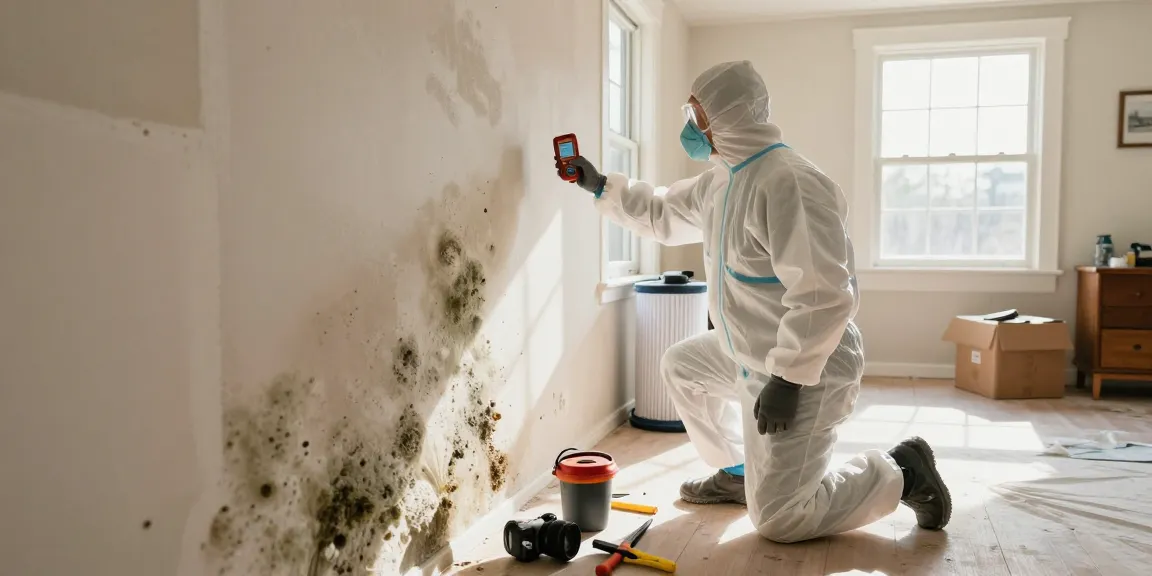
The remediation process begins with a thorough inspection of the premises, focusing on identifying visible mold and assessing moisture levels in critical areas such as attics, basements, and bathrooms. This step is essential for creating an effective remediation plan and often involves the use of specialized equipment to detect hidden moisture.
Containment Strategies to Prevent Spread
Once mold is identified, containment becomes critical to prevent spores from spreading throughout the property. This may involve setting up physical barriers and using negative air pressure machines to isolate the contaminated area, ensuring that mold spores do not escape into unaffected spaces.
Mold Removal Techniques and Best Practices
The actual removal of mold involves several methods, including the use of antifungal agents, HEPA vacuums, and, in severe cases, the removal of contaminated materials. Best practices dictate that all removed materials should be carefully sealed and disposed of to prevent further contamination. Post-removal, affected areas should be cleaned and sanitized to ensure all mold spores are eliminated.
Choosing the Right Mold Remediation Service
Not all mold remediation companies are created equal. Selecting the right service can significantly affect the outcome of the remediation process.
Qualities of a Trusted Mold Remediation Company
When searching for a service provider, look for qualifications such as IICRC certification, experience in handling mold issues, and positive customer reviews. A reputable company should also offer comprehensive services that include inspection, remediation, and follow-up to ensure the problem does not recur.
Questions to Ask Before Hiring a Service
Before hiring a remediation service, consider asking the following questions:
- What certifications do your technicians hold?
- Can you provide references from previous clients?
- What methods do you use for mold remediation?
- How do you ensure the safety of occupants during and after remediation?
Understanding Certifications and Standards
Certifications from recognized organizations like the IICRC (Institute of Inspection, Cleaning and Restoration Certification) assure clients that the service providers adhere to established mold remediation standards. Understanding these credentials can guide homeowners in making informed decisions.
Cost Factors in Mold Remediation
The cost of mold remediation can vary widely based on several factors, which homeowners should understand to avoid unexpected expenses.
How Much Does Mold Remediation Cost in Vancouver?
In Vancouver, the cost of mold remediation typically ranges from a few hundred to several thousand dollars, depending on the severity of the infestation and the complexity of the job. Factors influencing the cost include the size of the affected area, the type of mold present, and the techniques required for removal.
Breaking Down the Pricing Structure
When receiving quotes, it is essential to understand what each line item entails. Common costs may include inspection fees, containment installation, labor, materials, and disposal of contaminated items. Ensure to ask for a detailed breakdown to avoid surprises.
Is Mold Remediation Worth the Investment?
Investing in professional mold remediation is crucial for protecting health and maintaining property value. Considering the potential for serious health issues and extensive property damage, the costs associated with ignoring mold problems far outweigh the costs of proper remediation.
Preventing Future Mold Growth
After successfully remediating mold, the focus should shift to preventing its return. Here are several strategies to consider.
Effective Moisture Control Strategies
Since moisture is the primary trigger for mold growth, controlling humidity levels within your home is essential. Consider using dehumidifiers, improving ventilation, and fixing leaks promptly to keep your environment dry.
Home Maintenance Tips for Mold Prevention
- Regularly check for leaks in roofs, plumbing, and appliances.
- Ensure adequate ventilation in high-moisture areas like kitchens and bathrooms.
- Clean gutters regularly to prevent water damage.
- Use mold-resistant materials when renovating.
Using Technology to Monitor Indoor Air Quality
Investing in air quality monitors can help track humidity levels and detect moisture problems before they escalate. These devices can alert homeowners to conditions conducive to mold growth, allowing for timely intervention.
What Are the Signs That You Need Mold Remediation?
Being proactive about mold remediation requires vigilance. Signs such as musty odors, visible mold growth, water stains, or peeling paint are all indicators that mold may be present and action is needed.
How Can I Prevent Mold Growth in the Future?
In addition to addressing moisture issues, maintaining a clean and dry environment is key. Regular cleaning of areas prone to humidity, such as bathrooms and kitchens, can significantly reduce the risk of mold.
Is Mold Fogging Effective on Its Own for Mold Remediation?
Mold fogging can be a useful tool in the remediation process, as it helps to neutralize spores and odors in the air. However, it should not be relied upon as a standalone solution. Proper removal of mold and addressing the underlying moisture issue is critical for long-term success.